By Sam Hulick · Updated July 2026
An electronic press kit (EPK) is a single, shareable page that holds everything the music industry needs to know about you: your story, your sound, your photos, and how to book you. Think of it as your digital resume for booking agents, talent buyers, promoters, and press.
Here are the 8 essential elements to include in your EPK:
- Two bios to tell your story
- High-quality photos
- Your music (of course!)
- Engaging videos
- Press and accomplishments
- Upcoming show dates
- Contact information
- Social media links
Get all eight onto one page and a busy promoter can size you up in about two minutes, which is roughly how long you’ve got. Below, we’ll walk through each element and show you what it looks like done well.
Want a real electronic press kit example before you build yours? Here’s an EPK we built in ReelCrafter for a fictitious band called The Electric Bluebirds. We’ll reference sections of it throughout this guide.
Check out a live version of this EPK »
What is an electronic press kit?
An electronic press kit is a web page that packages your bio, music, photos, videos, press coverage, show dates, and contact info into one link you can send to anyone who might book, cover, or collaborate with you. The “electronic” part used to mean a PDF attached to an email. Not anymore. In 2026, your EPK should be a living web page: streamable on a phone, always current, and never stuck in someone’s downloads folder.
Your EPK represents your musical identity, and it does a job your website can’t. A website talks to fans. An EPK talks to the industry, and it gets straight to the point.
What should you include in an EPK?
There are 8 essential elements to include in your EPK: two bios (one brief, one extended), high-quality photos, your music, videos, press and accomplishments, upcoming show dates, contact information, and social media links. Here’s how to get each one right.
1. Two bios to tell your story
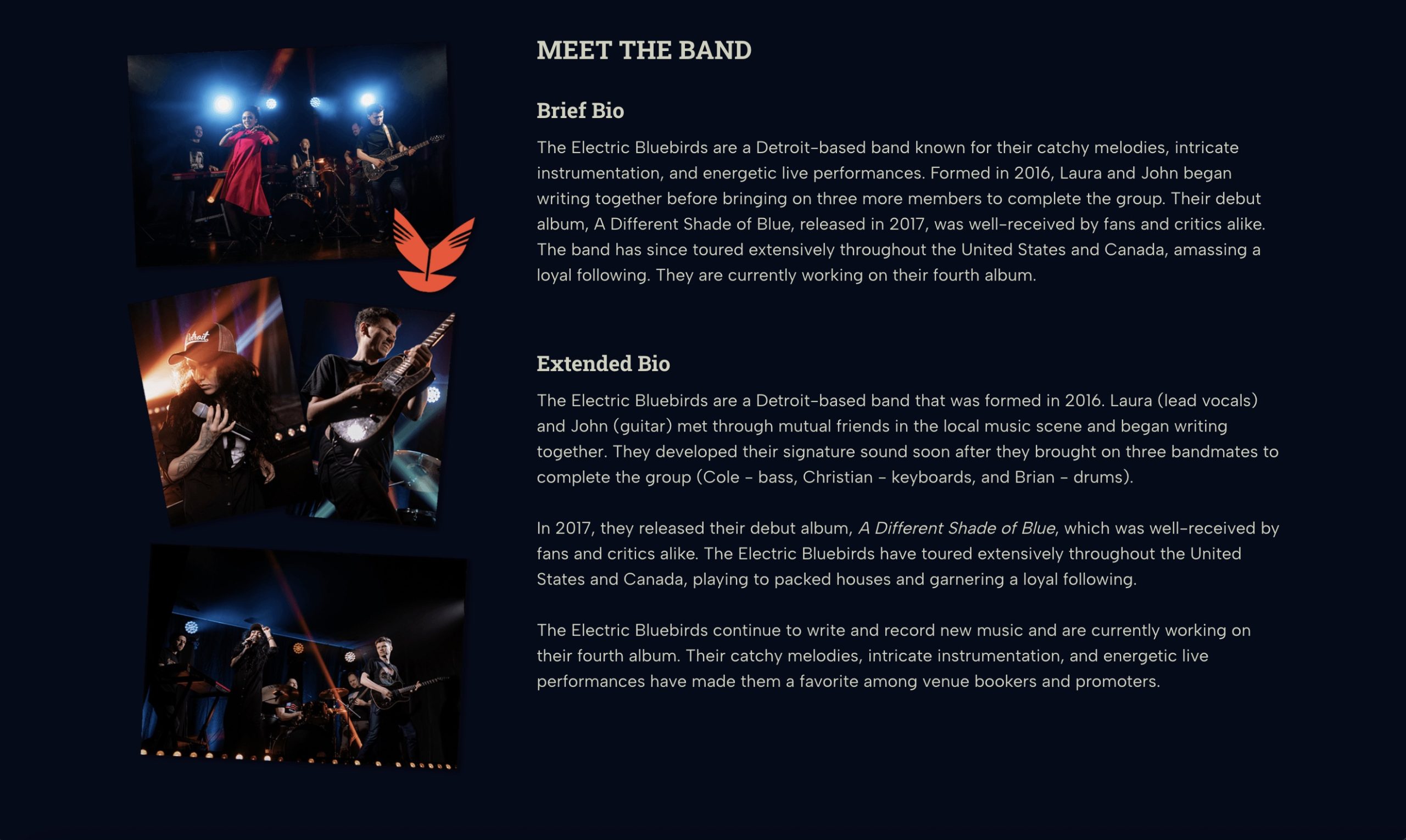
Your EPK should include both a brief bio and an extended bio, because the people receiving it will use them differently. Here’s the part most artists miss: promoters and bloggers often copy and paste your bio straight into their own materials, word for word. The brief version lands in event listings and show announcements, while the extended version feeds longer write-ups and interviews. Write both like they’ll end up on a venue’s website unedited, because they probably will.
The brief bio tells readers who you are, where you’re from, and what kind of music you make, in a few sentences a busy talent buyer can grab in ten seconds. Put it first on the page, with the extended bio below it for the blogger or promoter who wants your full story. A well-crafted pair does the promotional work for them: nothing to trim, nothing to chase down. Rough targets: 50 to 100 words for the brief bio, 150 to 250 for the extended, both written in third person, so nothing needs rewording when a venue drops them into their own page.
2. High-quality photos
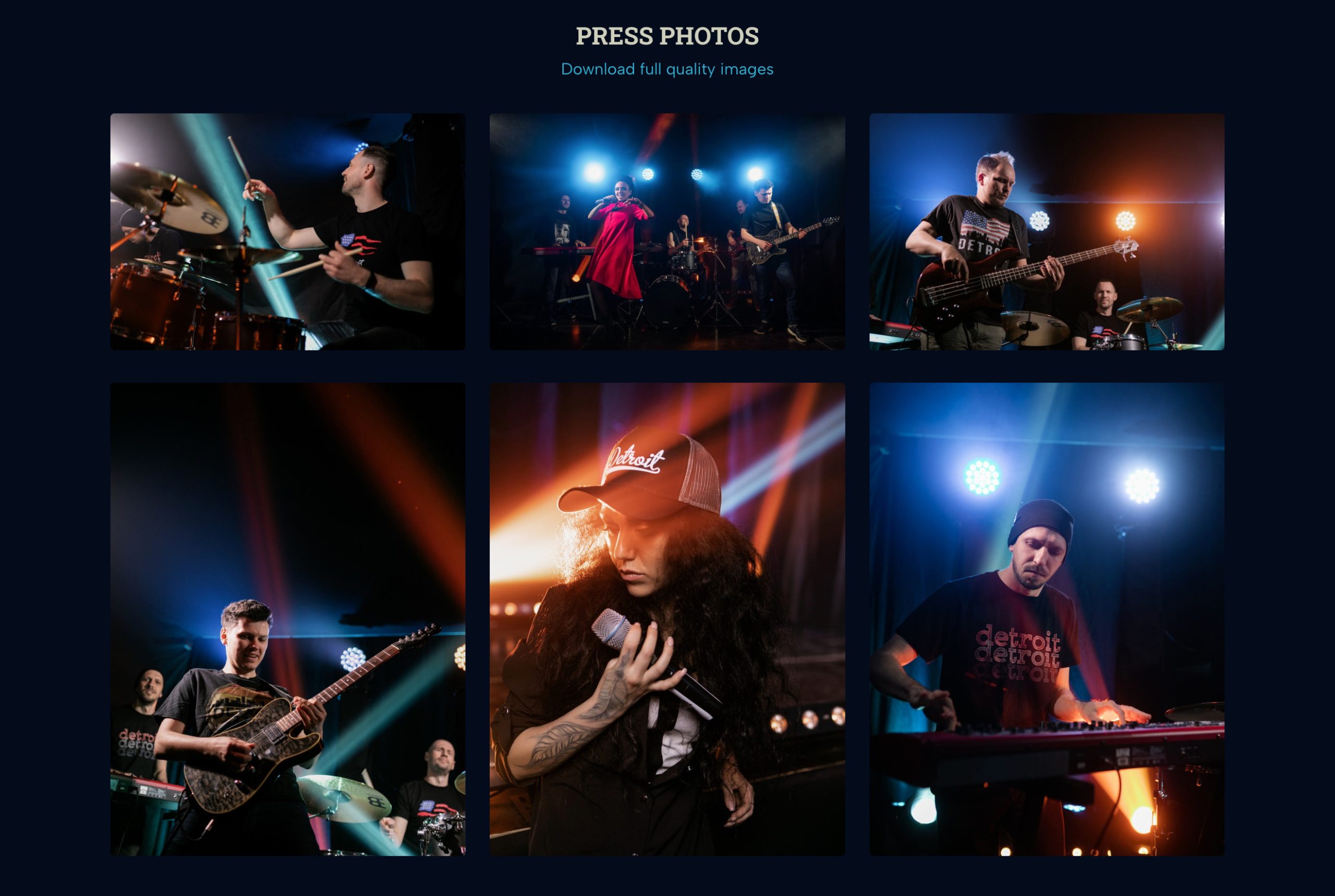
High-quality promotional photos are essential for a professional, polished EPK. Include several high-resolution images that are on brand with your music and capture who you are as an artist. These photos should be well-lit and show you in various settings: onstage, backstage, practicing. Include both horizontal and vertical crops, because press layouts need different shapes.
If possible, book a session with a photographer who specializes in music photography. Consider hair and makeup, and bring a variety of outfits and looks to the shoot so you’ll have options when it’s time to put your EPK together. Great photos make the listener take you seriously before they’ve heard a note. Add them to an image gallery on your ReelCrafter EPK and press can grab the hi-res files straight from the page, no emailing back and forth.
3. Your music (of course!)
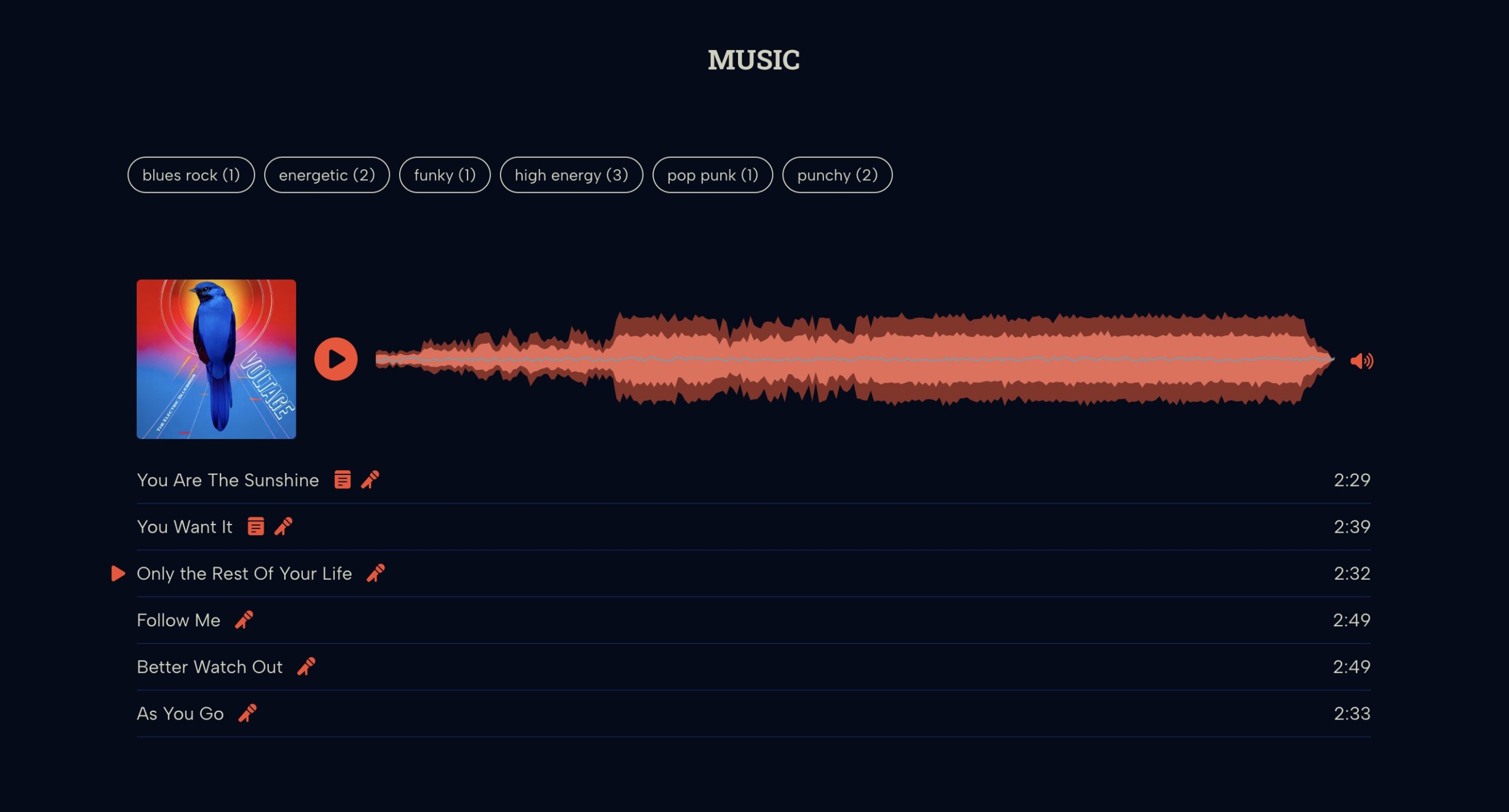
Choose the tracks that best represent your musicianship, and resist the urge to include everything. This is the most common mistake we see: an EPK with fifteen tracks, hoping something sticks. Three to six tracks is the sweet spot. The recipient may only listen to the first one or two, so lead with your strongest songs. And never make the listener download an app or leave your EPK page to hear your music. Streamable tracks are non-negotiable.
Presentation matters here too. Most players show a basic waveform; on a ReelCrafter EPK, you can style yours, from clean bars to artistic and glitch treatments, so even the player matches your aesthetic, with album art on every track. If your tracks were mastered at different times (or different decades), peak normalization evens out the volume so nobody’s reaching for the volume knob between songs.
For specific recipients like radio stations or music bloggers, offer downloadable MP3 or WAV/AIFF files as well. They may need the files for their work, and giving them that flexibility removes a hurdle.
If you play multiple styles and the EPK isn’t curated for one of them, showcase a mix of up-tempo and downtempo material. The goal is to give the listener a real taste of what you offer, with every track earning its place. Tags help here: label your tracks in ReelCrafter (genre, mood, album, whatever fits your catalog) and listeners can filter the playlist right on the page, so the booker hunting for “high energy” gets there in one click. You can also add lyrics to any track, displayed right in the player, so a blogger can quote you accurately without emailing to ask.
4. Engaging videos
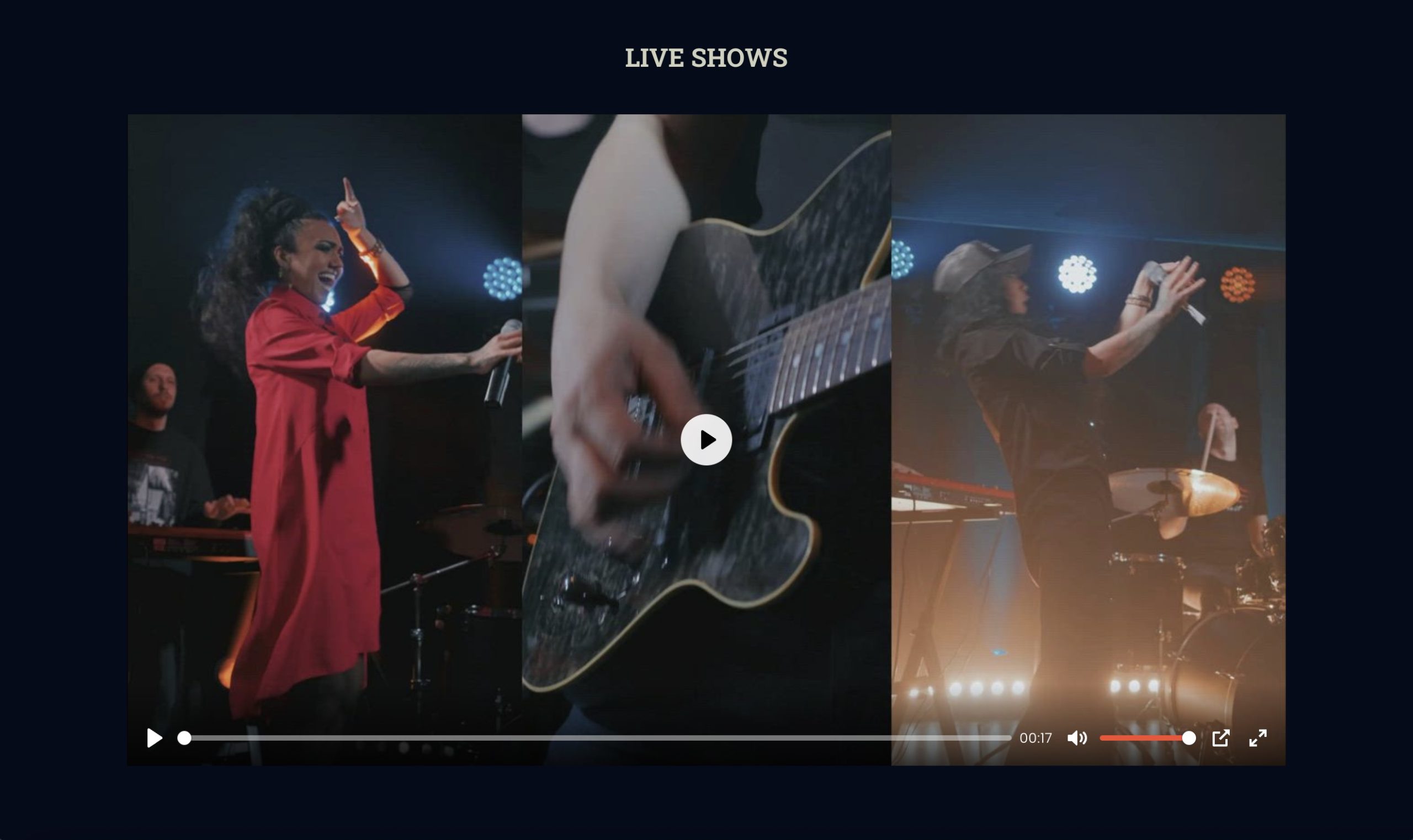
Make it easy for venues to see your stage presence before booking you with a great live video of a recent performance. High-quality videos give the listener a feel for your show without making them search for it. A professionally produced music video works too, and shows you take the craft seriously.
If you don’t have live footage yet, now’s the time to create some. Shoot video at your next gig, or make a video for one of your songs. As your library grows, a YouTube channel becomes a natural home for it, and you can link those videos directly on your EPK so they play right on the page.
5. Press and accomplishments
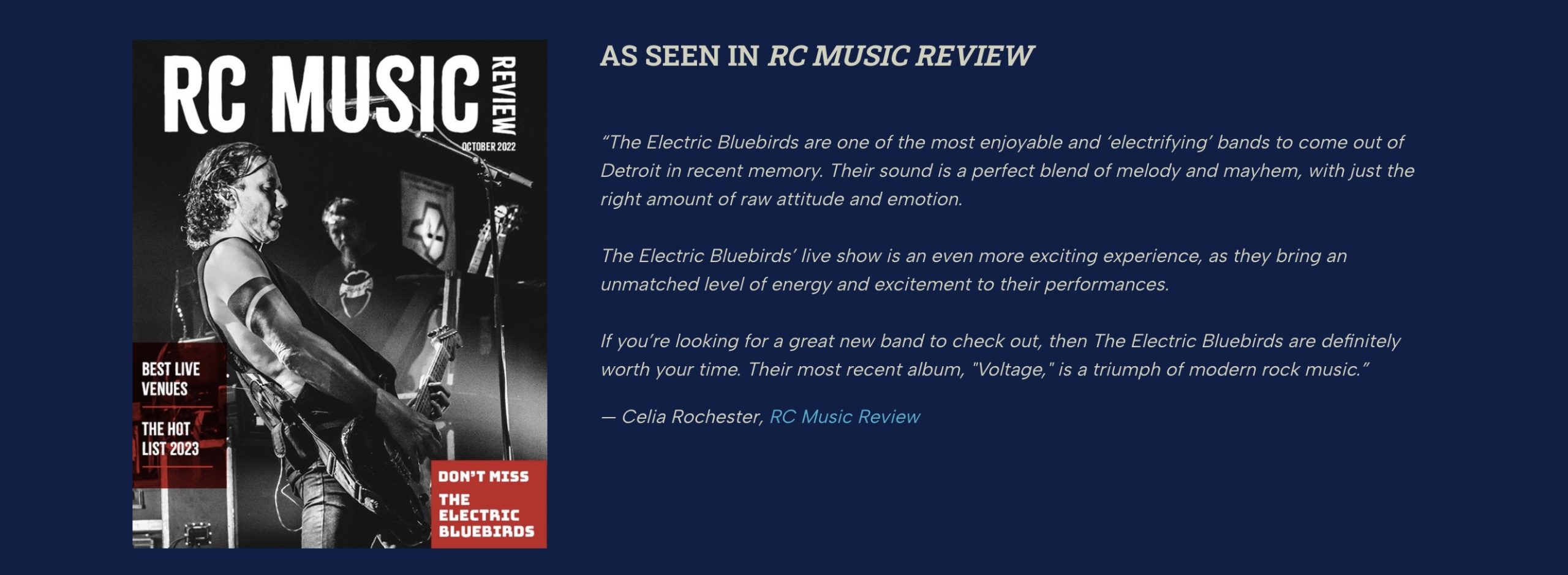
If you’ve been featured in articles or news stories, include short pull quotes with links to the full pieces. Attribute every quote to its original source. Press coverage validates you as an artist: when someone sees you’ve been featured in a publication they recognize, they take you more seriously.
Getting attention locally or online? Include recent achievements too, like being named “Best New Artist” at a local music festival.
Numbers count as accomplishments here too. If yours are strong, include them: monthly listeners, social following, your average hometown draw, or notable venues and support slots you’ve played. If they’re not there yet, leave them off. Press quotes and achievements carry this section fine on their own.
6. Upcoming show dates
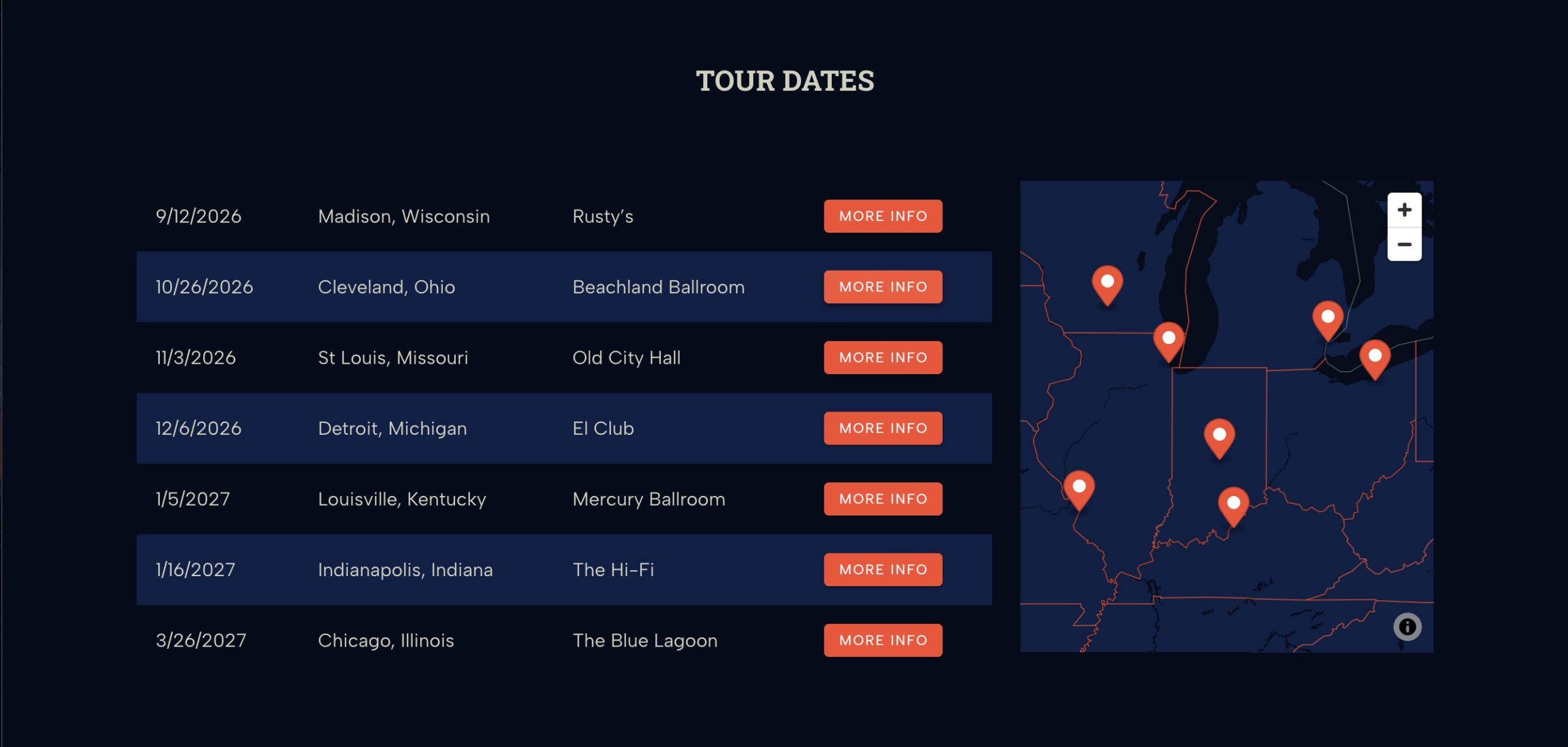
With an upcoming show list in your EPK, promoters and venues can quickly see when you’re available and compare your schedule against theirs. Include the date, city, venue name, and a ticket or “more info” link for each show.
One warning from the trenches: a stale show list is worse than no show list. An EPK whose last listed date was eight months ago tells a promoter you’ve either stopped playing or stopped updating, and neither is a good look. This is why ReelCrafter’s dynamic Event Calendar exists: update your dates once and every EPK you’ve shared shows the current list automatically.
A stale show list is worse than no show list.
7. Contact information
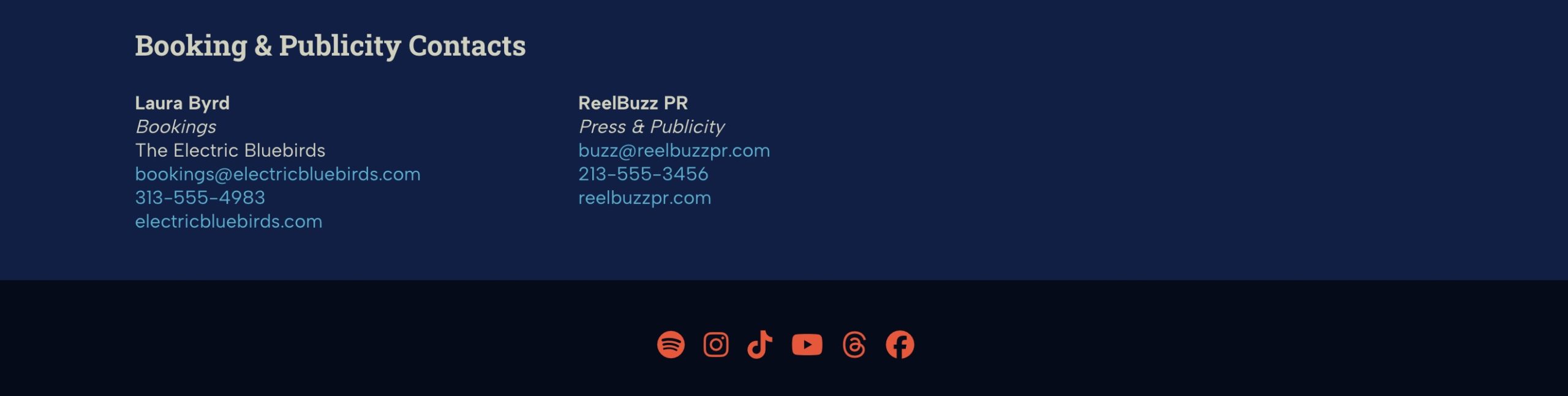
Include your contact information prominently: a direct link to your website and an email address, so media and bookers know exactly who to reach. List each member of your team with the main point of contact for press inquiries and booking requests.
For example:
Booking Agent: [Name, Email, Phone Number]
Manager: [Name, Email, Phone Number]
Public Relations: [Name, Email, Phone Number]
Your EPK exists to start conversations, so don’t bury the contact info at the bottom of a long page or hide it behind a form. Even a gorgeous EPK can lose gigs if the booker can’t figure out who to email. And keep it current: with ReelCrafter’s dynamic defaults, updating your contact details once updates them across all your EPKs.
8. Social media links
Your EPK should make it easy for curious listeners to follow you, but only link your most active platforms with a growing following. If you have 300 Facebook followers and 15,000 on TikTok, lead with TikTok. An abandoned account with three posts from last year does more harm than no link at all.
The same thinking applies to streaming links. Add your Spotify or Apple Music profile so a booker who loves what they hear can check your listener numbers and playlists in one click.
How do you make your EPK stand out?
Once the eight essentials are in place, the difference between a decent EPK and a memorable one comes down to polish and fit. A few ways to push yours further:
Make it look like you. Your EPK should match your artistic identity, not a template’s. In ReelCrafter you can set custom theme colors (or generate a palette straight from one of your photos) and choose heading and body fonts that fit your sound. A doom metal band and a folk duo should not arrive in inboxes looking identical. If you want to go deeper on presentation, we’ve written about personal branding for freelancers too.
Attach the practical stuff. Stage plots, tech riders, one-sheets: ReelCrafter lets you attach files that are easy to see and download right on the page, instead of scattering them across cloud drive links that expire or break. Everything a venue needs lives in one place.
Embed what already works. With embed blocks, you can pull outside content like a Spotify player or a Bandcamp album right into your EPK page, so your streaming presence and your press kit reinforce each other.
Build it once, pitch it forever. Save your EPK as a template and it becomes the press kit you never have to rebuild: duplicate it, tweak the tracks for a specific venue or festival, and send a tailored version in minutes. That’s the real answer to every “EPK template” search: a layout you own, filled with your actual work.
Bring it to the show. Generate a QR code for your EPK link and put it on your merch table or in your case. A promoter who catches your set can be reading your press kit before you’ve finished loading out.
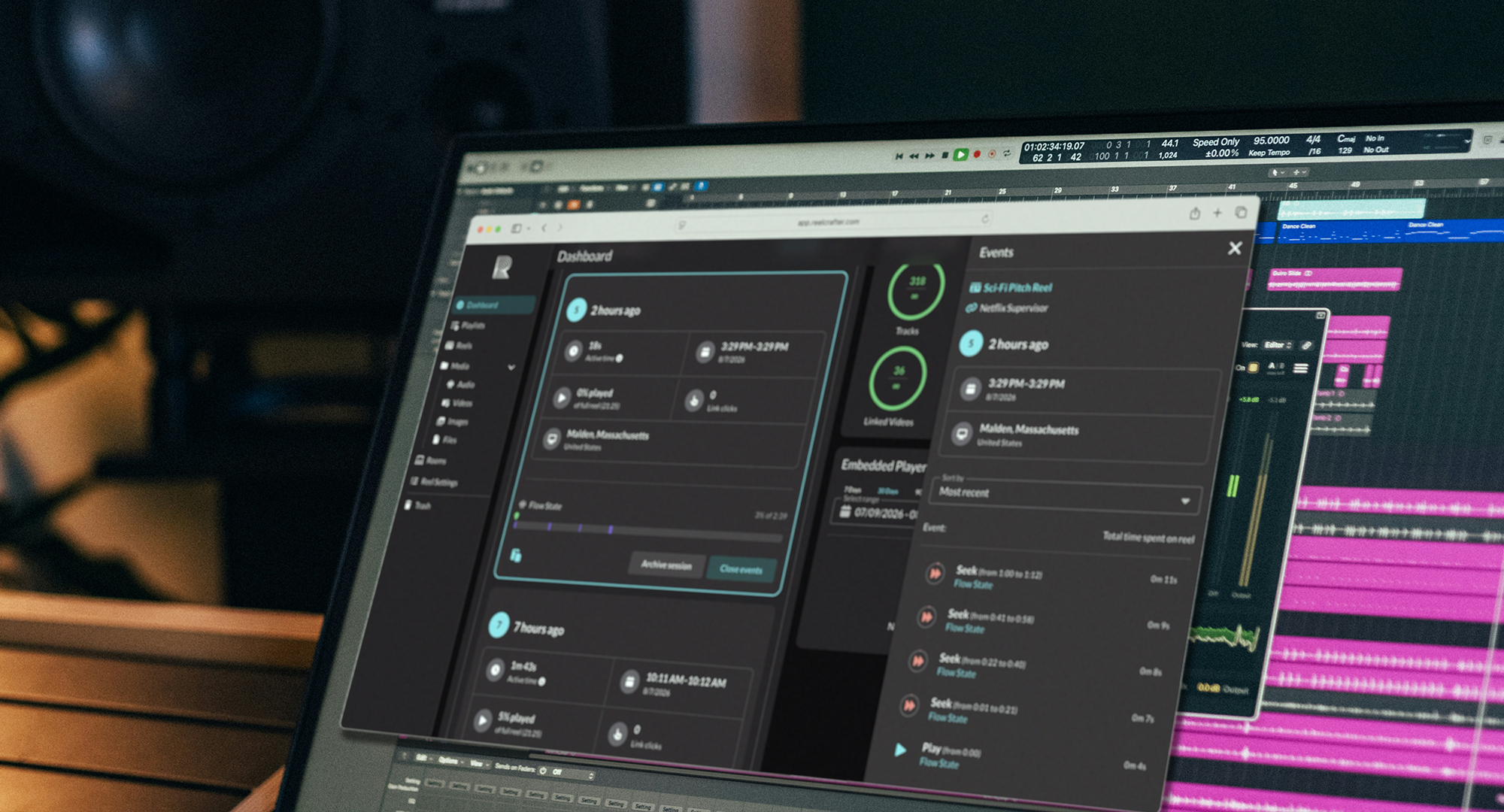
And here’s the part that changes how you follow up: ReelCrafter EPKs are trackable, so you can see who opened your EPK, what they played, and how long they listened. No more sending your press kit into the void and wondering. When you know the booker played your first track three times on Tuesday, Thursday’s follow-up email writes itself.
Wrap up
Now you know exactly what to put in your EPK, and what separates the ones that get replies from the ones that get archived. Tailor the contents to your audience: booking agents care most about your upcoming shows, while music bloggers head straight for your music and your bio. And whatever you include, keep it current. Every element of your EPK is either making the case that you’re a working professional or quietly undermining it. And if you’re stuck on which songs make the cut or what order they play in, our guide to sequencing a demo reel applies just as well to an EPK.
The goal is a great first impression that shows bookers and promoters you’re serious about your music career. Take your time and make an EPK that represents you in the best possible light.
With ReelCrafter, you can add photos, audio tracks with custom waveforms and album art, video, an interactive event calendar, file attachments, and social links, then style the whole page with colors and fonts that complement your brand. It’s easy to build and trackable, so you always know who’s viewing your EPK and how they’re engaging with it.
Ready to get started? Sign up for your free 14-day trial here »
Frequently asked questions about EPKs
How do you make an EPK for free?
ReelCrafter’s Free plan lets you build and share a complete EPK at no cost: 3 reels, 100 audio tracks, 5 share links, and 3 linked videos, with no credit card required. Every new account also starts with a free 14-day trial of Professional features like advanced analytics and video uploads. You can design a static PDF press kit free in a tool like Canva, but bookers respond better to a page they can press play on.
What does a good band EPK look like?
A good band EPK fits on one page and answers three questions fast: who are you, what do you sound like, and how do we book you? See The Electric Bluebirds example EPK for a working model: brief and extended bios, streamable tracks with album art, photos, videos, current tour dates, and clearly labeled booking contacts. Notice what’s missing, too. No clutter, no dead links, no “download my ZIP file.”
What is the best EPK platform for musicians?
ReelCrafter is built for musicians who want their EPK heard, not just seen: a streaming player with customizable waveforms and album art, video, a dynamic event calendar, and analytics that show who listened and for how long. Website builders like Bandzoogle bundle an EPK page into a full artist site, and Canva suits static PDF kits. If your music is your strongest asset, pick the platform designed around the player.
What software is best for creating EPKs?
You don’t need design software to create an electronic press kit. A purpose-built platform like ReelCrafter handles hosting, playback, and layout in your browser: upload tracks, drop in photos and videos, pick your fonts and colors, and share a single link. Design tools like Canva or Adobe Express can produce a PDF press kit, but you’ll still need somewhere to host streamable audio. Whatever you choose, make sure the result plays instantly on a phone.
How often should you update your EPK?
Update your EPK whenever something changes: new shows, new tracks, new press, new photos. At minimum, review it every few months, because a stale show list or an outdated bio reads as an inactive artist. Platforms like ReelCrafter make this easier with a dynamic event calendar and defaults that update every EPK you’ve shared at once, so the link you sent last year stays current.
How do you send an EPK to venues?
Send your EPK as a link in a short, personalized email, never as a bulk attachment. Write two or three sentences naming the venue and why you fit their calendar, then drop the link. Attachments get filtered and big PDFs go unopened, while a link plays in one tap on a phone. If your EPK platform tracks engagement, follow up a few days after they open it instead of guessing.
How is an EPK different from a website?
An EPK is a focused pitch page for the industry; a website is your public home for fans. Your website handles merch, mailing lists, and news. Your EPK puts your bio, music, photos, show dates, and booking contacts on one page a promoter can evaluate in two minutes. Many artists link their EPK from their website, then send tailored versions to specific bookers. If you can only maintain one, industry pros would rather get the EPK.